
Gelato Pasteurisers
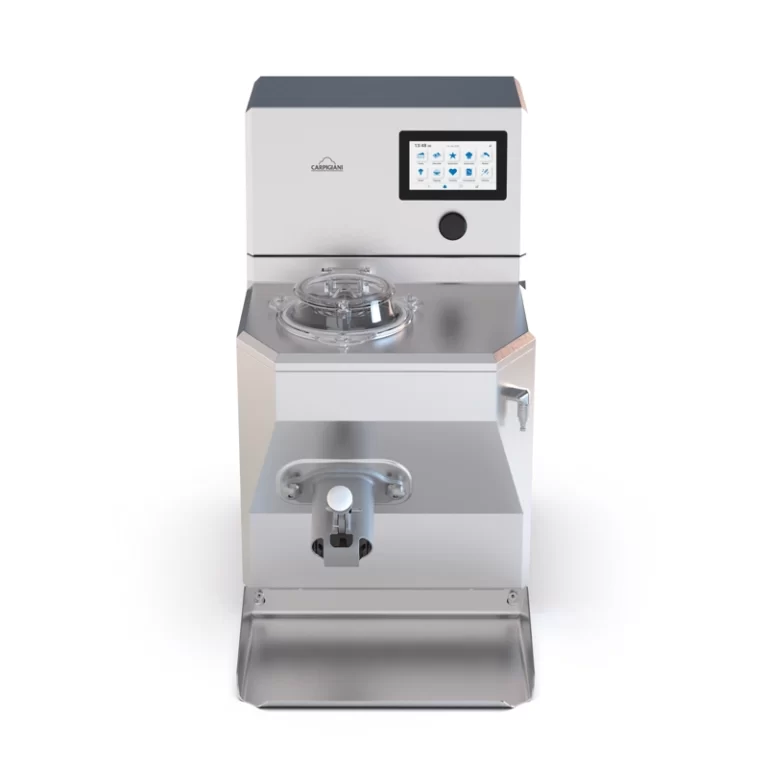
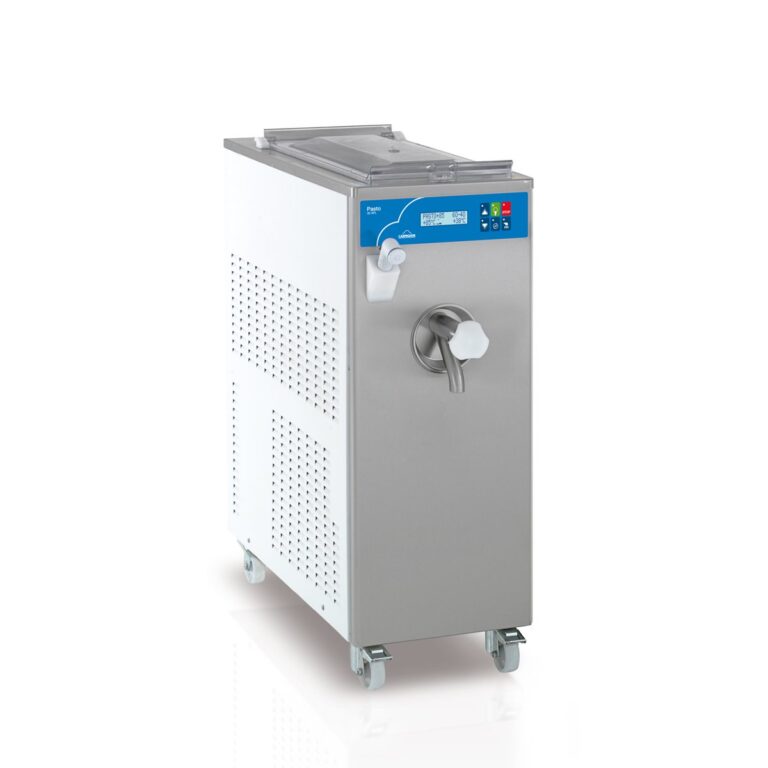
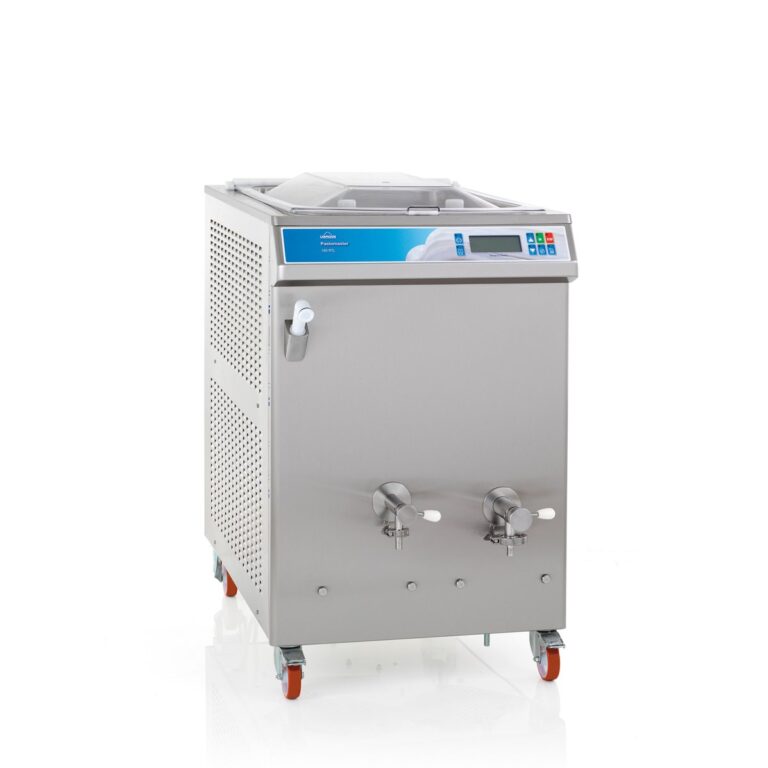
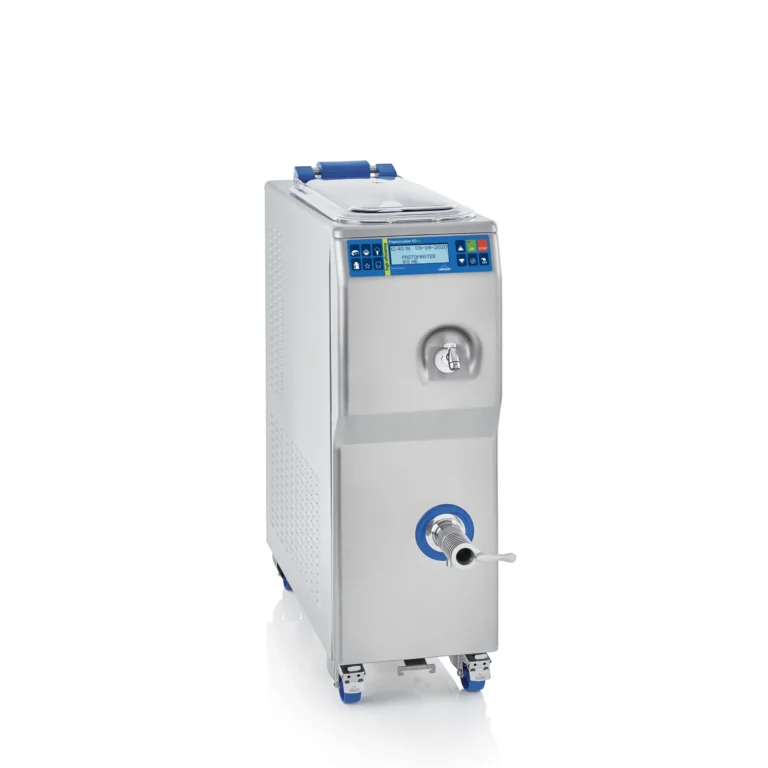
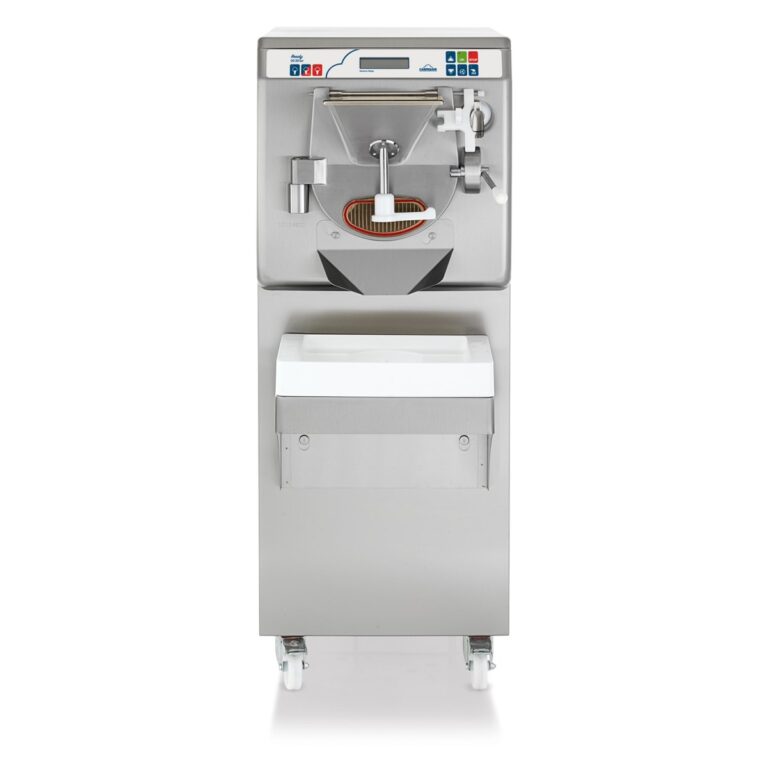
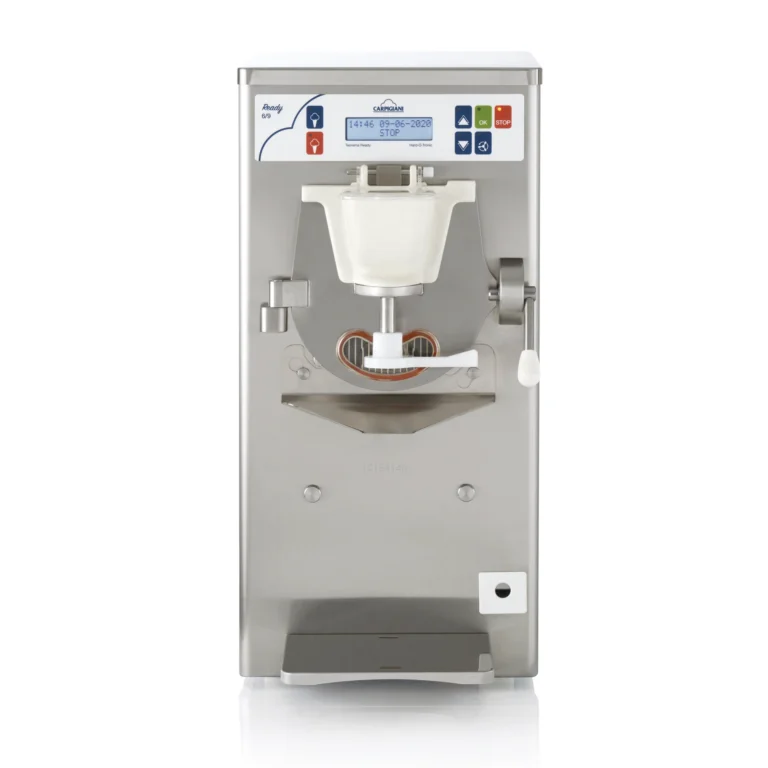
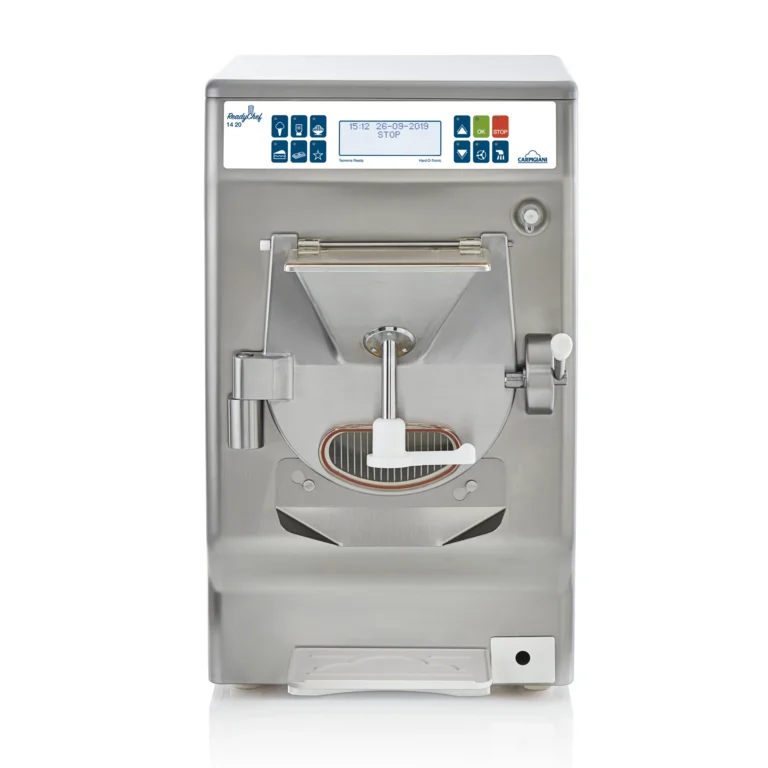
A pasteuriser heats, holds, cools and ages your mix so every batch of gelato starts the same. Carpigiani pasteurisers from 30 to 120 litres a cycle.
Pasteurisers
Every Carpigiani pasteuriser we supply. Each model has its own page with full specifications.





What a gelato pasteuriser actually does
Pasteurisation is a heat-and-hold process. The mix is brought up to temperature so that spoilage organisms and pathogens are deactivated, then cooled quickly to prevent any surviving bacteria from regrowing. In commercial gelato production this is not an optional refinement — under Australian food-safety standards, any product containing dairy or egg that is sold to the public must go through a validated heat process. A dedicated pasteuriser lets you document and repeat that process consistently, batch after batch.
Beyond safety, pasteurisation transforms the mix itself. Heating fully hydrates the milk proteins and stabilisers, blends the fats and sugars evenly, and builds the viscosity that allows air to be incorporated cleanly during freezing. The result is a denser, creamier, more stable gelato with better scoopability and longer display life.
High and low pasteurisation
Most “white” dairy bases are run as a high pasteurisation — heating to around 85°C with a short hold — while egg-rich “yellow” custard bases are typically run as a low pasteurisation at around 65°C held for longer, to cook the mix thoroughly without curdling the egg. A quality programmable pasteuriser lets you select the right cycle for each recipe and store it for repeatable results. After heating, the mix is chilled and then held for maturation, which is where the final texture develops before churning.
Ageing and maturation
Many pasteurisers double as ageing tanks, holding the cooled mix at refrigerated temperature for several hours (often overnight) so the stabilisers and proteins can fully relax and rehydrate. This maturation step is what separates supermarket-grade product from true artisan gelato. Once aged, the mix moves to a batch freezer to be churned and frozen, ready for the display cabinet.
Standalone pasteuriser or a combined machine?
You have two main routes. A standalone pasteuriser handles larger volumes and runs independently of your freezing equipment, which suits busy laboratories producing multiple bases each day. Alternatively, combined pasteuriser-and-freezer machines integrate heating, cooling and churning into one footprint — ideal where space is tight or where you want a tightly controlled, low-bacteria workflow from raw mix to finished gelato. Carpigiani builds both, and the right choice depends on your menu, daily output and floor space.
If you are still mapping out your full setup, it is worth looking at how a pasteuriser fits alongside the rest of the range — commercial gelato machines, sorbet machines and the wider Carpigiani line-up. Our team can spec a complete production flow around your recipes and volumes.
Do you definitely need one?
If you buy in ready-made, pre-pasteurised bases, you may be able to start without a pasteuriser and add one later as you grow. But if you want full control over your recipes, ingredient costs and product quality — which is the whole point of making gelato in-house — a pasteuriser quickly pays for itself. Most equipment is priced on application, so the best starting point is a conversation about what you are making and how much.
Finance, installation and service
Pasteurisers are a long-term investment, and we make them easier to acquire with flexible finance options, including FlexiCommercial, so you can preserve cash flow while you build the business. Every machine is backed by Australia-wide installation, ongoing service and genuine spare parts through our service and parts team, keeping your production line running and compliant.
Ready to choose the right pasteuriser for your gelato business? Request a quote or contact us today, or call our sales team on 1800 625 677 and we will help you specify the ideal setup.
Technology other brands don't offer
The brands we represent engineer their own control systems and refrigeration, giving you features, functionality and efficiency you won’t get from everyday equipment. Features vary by model, so ask us which machines include them.
Hard-O-Tronic®
Detects when gelato reaches the ideal texture and holds it there until the batch is extracted, so every batch is consistent.
Teorema remote diagnosis
Monitor the machine over the internet. Our technicians can see what the machine sees, for faster service and less downtime.
Crystal program
Semi-dense Crystal gelato for gelato cakes and take-away tubs, filled straight from the batch freezer with the Crystal dispensing door.
Self-pasteurisation
Soft serve machines that pasteurise their own mix, so full wash-downs can be spaced out to as long as 42 days.
Black-out protection
After a power or water outage the machine checks time and temperature, then resumes or re-pasteurises to keep the mix safe.
Scheduled start
Production, pasteurisation and storage programs run automatically, for example overnight, so you open ready to serve.
Direct expansion cylinders
Optimised refrigeration for quicker freeze-down, less product waste, higher quality and lower energy use.
Techfrost blast freezing
Gelato hardening from −10 °C to −18 °C in 15 minutes, and blast chilling from +90 °C to +3 °C in 90 minutes.
Frequently asked questions
What does a pasteuriser do in gelato making?
It heats your gelato mix to deactivate harmful bacteria, then rapidly cools it, making the product safe while improving its texture and stability. For advice on the right model for your recipes, contact your nearest Majors Group specialist on 1800 625 677.
Do I need a pasteuriser to make gelato commercially?
If you make gelato from raw dairy or egg ingredients for public sale, a heat process like pasteurisation is required under food-safety rules; you can sometimes delay buying one if you use pre-pasteurised bases. Our team can talk you through what suits your operation — request a quote or call 1800 625 677.
What temperature is gelato mix pasteurised at?
Broadly, dairy bases are run hot at around 85°C for a short hold, while egg-based yellow bases are run cooler at around 65°C for longer to avoid curdling. For the exact cycles a specific Carpigiani machine offers, get in touch with a Majors Group specialist who will walk you through it.
What is the difference between high and low pasteurisation?
High pasteurisation uses a higher temperature held for a short time, while low pasteurisation uses a lower temperature held for longer — each suits different bases. To match a pasteuriser’s programs to your menu, contact us or call 1800 625 677.
Can one machine pasteurise and freeze gelato?
Yes — combined pasteuriser-and-freezer machines handle heating, cooling and churning in one unit, which saves space and tightens hygiene, while standalone units suit higher volumes. Ask a Majors Group specialist which configuration fits your output by requesting a quote.
How long should gelato mix age after pasteurising?
Mix is generally held cold and matured for several hours, often overnight, so the texture develops fully before churning. For guidance on ageing capacity in a particular machine, reach out to our team via the contact page or on 1800 625 677.
How much does a commercial gelato pasteuriser cost?
Most pasteurisers are priced on application because the right machine depends on your volume, recipes and configuration. For current pricing and finance options including FlexiCommercial, request a quote or call Majors Group on 1800 625 677.
Talk to our specialists
Free demo at your nearest showroom, machine set-up, recipe and menu development and one-on-one training. Call 1800 625 677 or send an enquiry.
Catalogues
Carpigiani
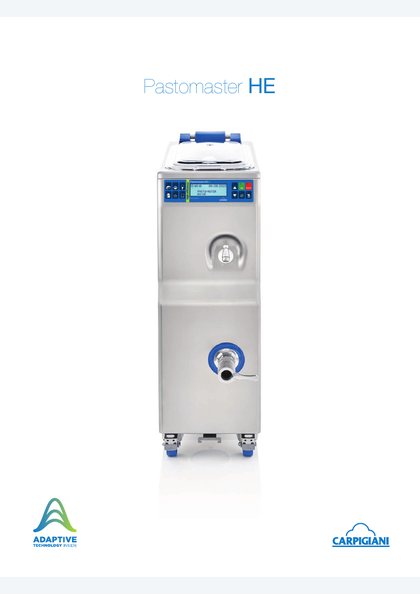
Carpigiani Pastomaster HE
Pasteurisers from 60 to 120 litres for gelato mixes and pastry creams.
PDF · 12 pages · 2.3 MB · Sep 2025
Email me the catalogue
Carpigiani
Carpigiani Pastomaster XPL P
Pasteurisers with XPL P control for gelato and pastry.
PDF · 4 pages · 1.1 MB · Apr 2025
Email me the catalogue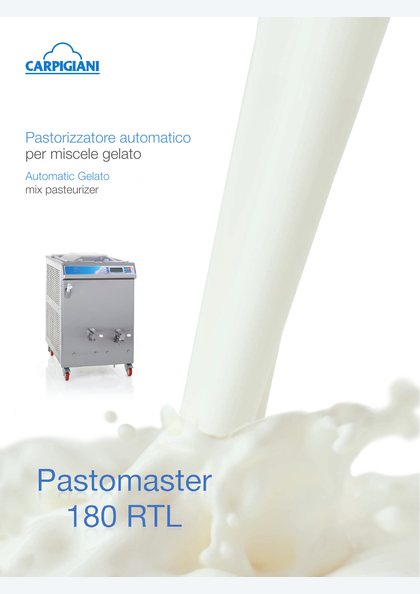
Carpigiani
Carpigiani Pastomaster 180 RTL
Large pasteuriser for production kitchens.
PDF · 2 pages · 513 KB · Sep 2025
Email me the catalogue